Laser Cladding Machine
Fuse a wear- or corrosion-resistant metal layer onto shafts, rolls and dies — rebuild worn parts instead of replacing them.
Overview
Cladding — 1070 nm
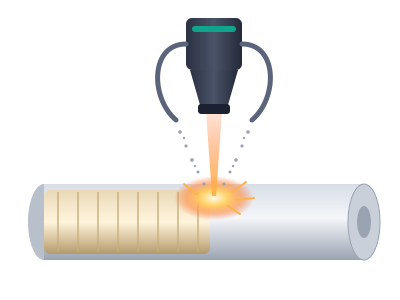
A fiber or diode laser melts metal powder fed coaxially through the cladding head and fuses it to the part surface with very low dilution. Mounted on a CNC or robot with a rotary axis, it rebuilds worn surfaces and adds hard-facing layers that outlast the base metal.
What it does
Dedicated work this machine performs.
Restore worn shafts, rolls, valve seats and mould edges to size.
Stellite, tungsten-carbide and nickel alloys for wear resistance.
Stainless and Inconel layers on pump, valve and hydraulic parts.
Thin, dense layers with minimal distortion and dilution.
Specifications
Technical data
Representative ranges — final spec configured per order.
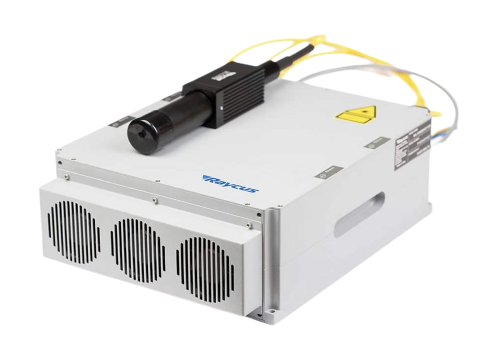
| Laser power | 1 / 2 / 3 / 4 / 6 kWFiber or diode CW source. |
|---|---|
| Wavelength | 1070 nmFiber; 915–980 nm for diode sources. |
| Layer thickness | 0.3 – 2 mm per passMultiple passes for thicker build-up. |
| Cladding head | Coaxial powder nozzleWire feed optional. |
| Powder feeder | Single or dual hopperFor mixed alloys. |
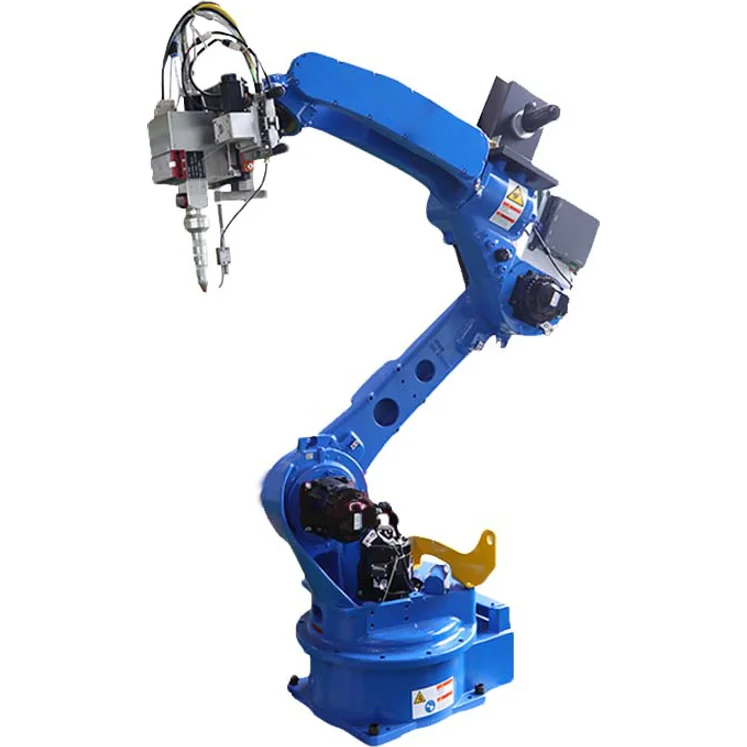
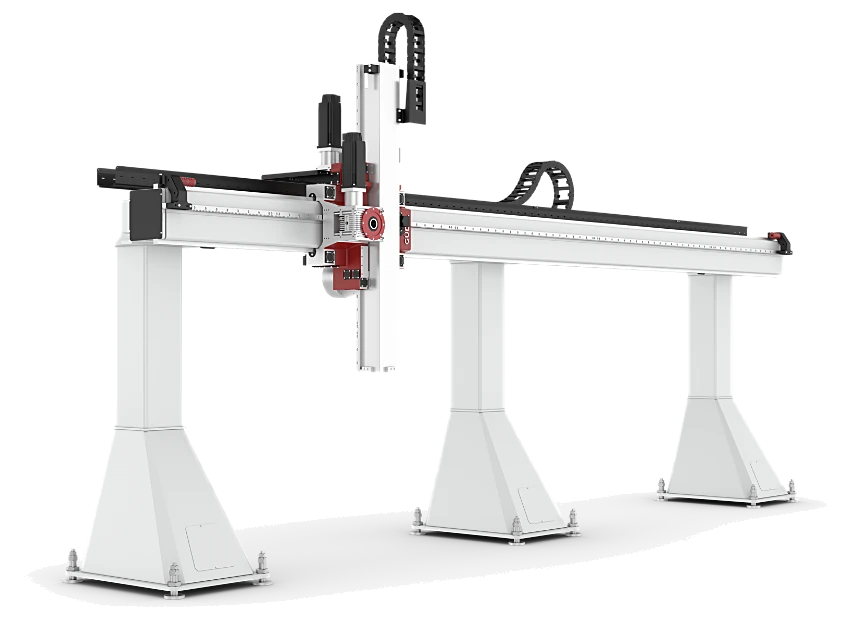
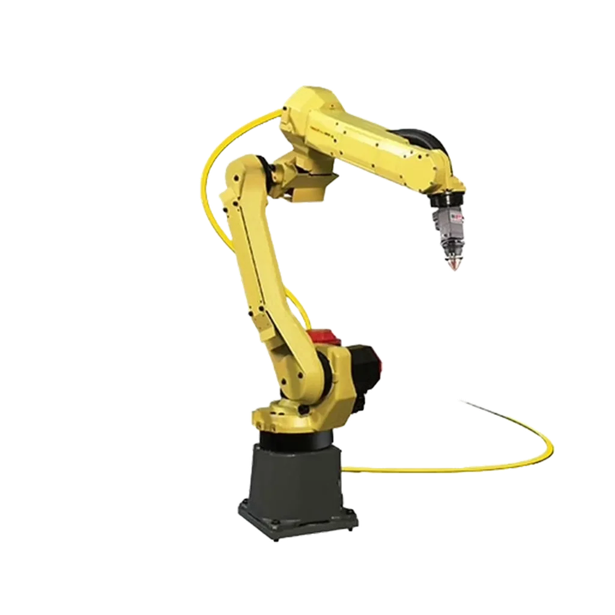
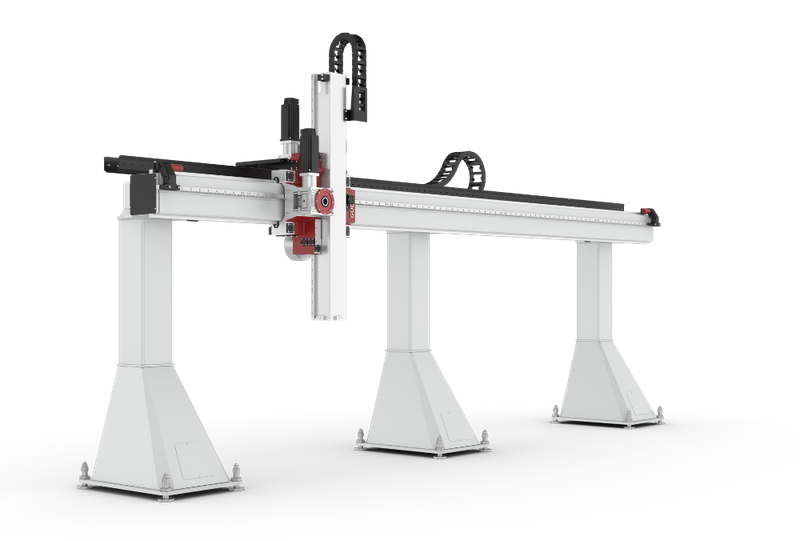
| Motion | CNC gantry or 6-axis robotWith rotary axis for shafts and rolls. |
| Shielding gas | Argon |
| Cooling | Industrial water chiller |
Formats
2 ways to build it.
Samples
Work done on this machine.
Have a part? Send it for a free sample.
Accessories & options
Configure it your way.
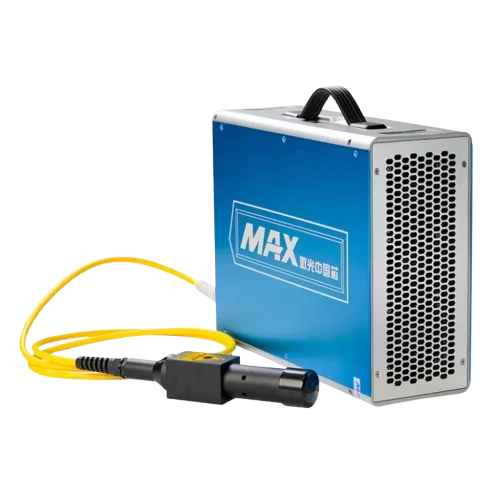
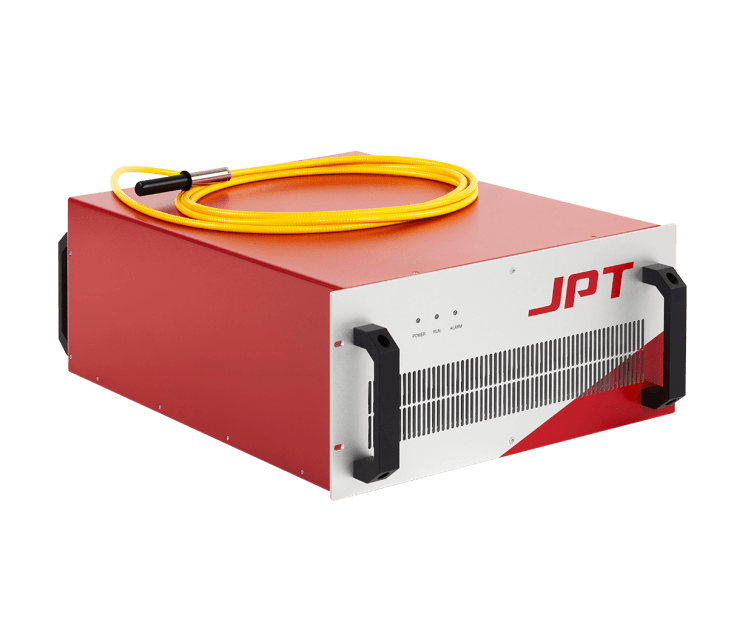
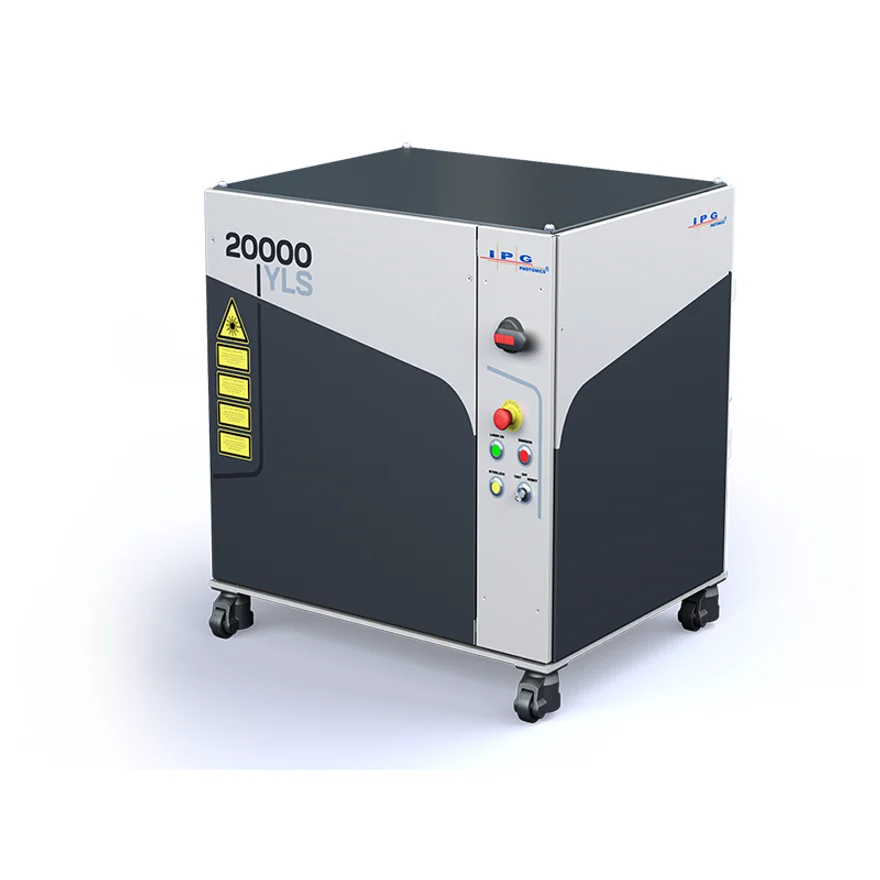
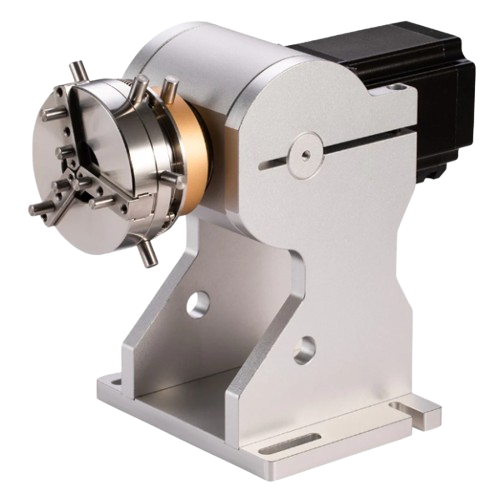
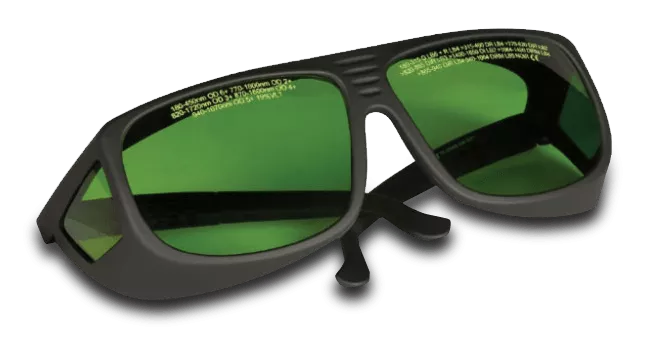
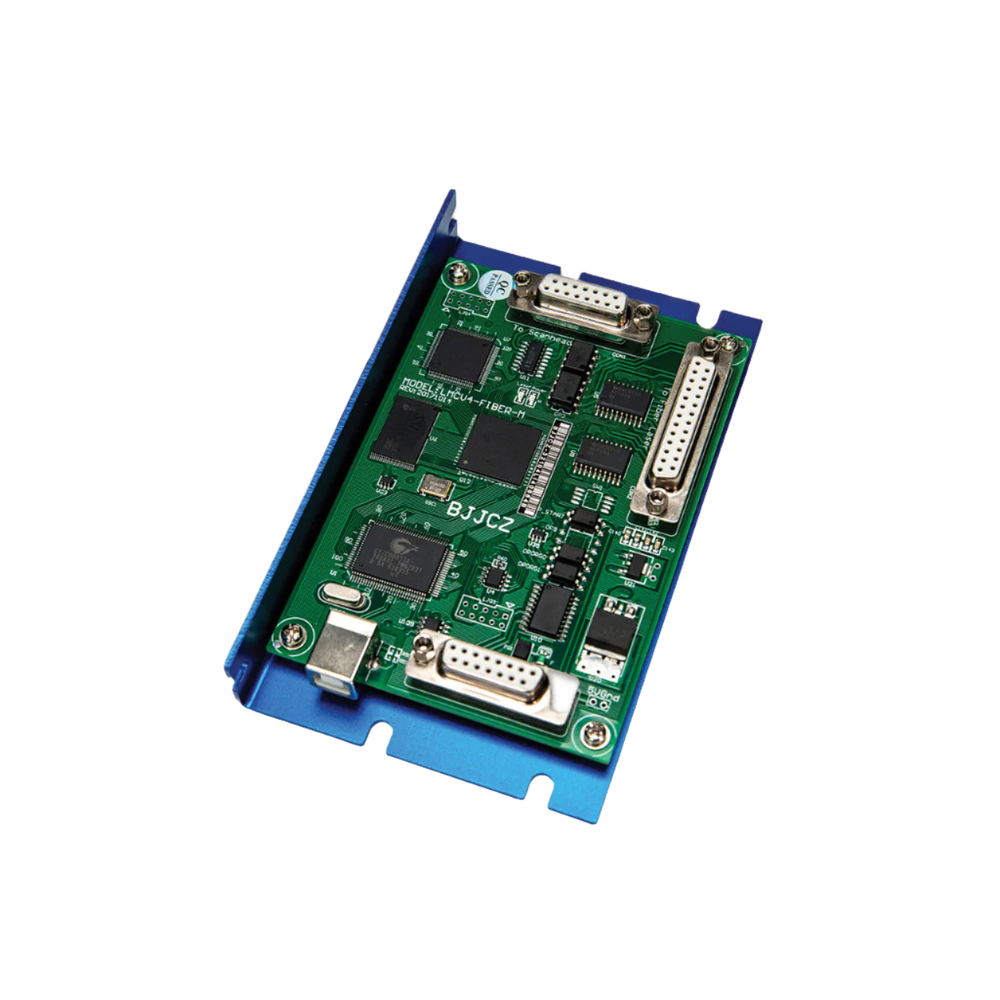
Choose the laser source, add attachments and pick the motion & control. We build and test the machine with exactly this setup.
FAQ
Common questions
How is it different from thermal spray or welding?
Laser cladding forms a true metallurgical bond with very low dilution and heat input, so layers are dense and the part barely distorts.
Can you clad our worn parts as a trial?
Yes — send the part or a drawing and the alloy you need; we will suggest the process and run a sample.
Other processing machines
Also in Laser Processing
 355 / 532 / 1064 nm
Laser Micromachining System
Micron-level cutting, drilling, scribing and patterning of thin metals, films, glass and ceramics.
 1070 nm
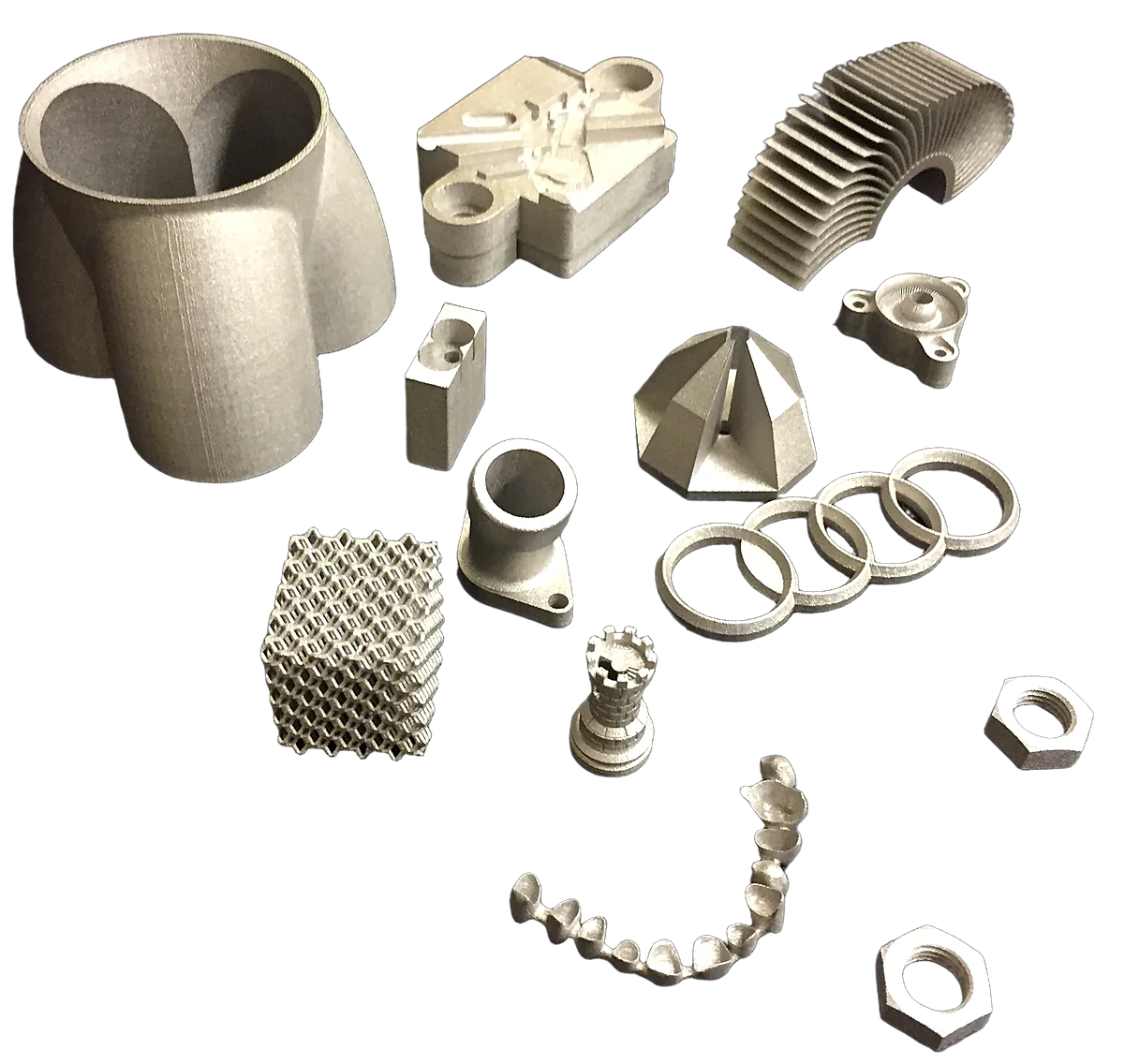
Metal 3D Printer (SLM)
Selective laser melting builds dense metal parts layer by layer — complex geometry, no tooling.
1064 nm / 10.6 µmLarge Format Laser Marking Machine
Gantry-mounted laser head marks and engraves oversized sheets, panels and heavy parts in one setup.
Sample first, buy second.
Send your part — we run it on the Cladding and send photos back. Need it customised or integrated into your line? We build that too.