Nine out of ten enquiries we receive start with the same question: "which laser do I need?" The answer depends almost entirely on the material, and to a lesser degree on how fine the mark must be and how fast the line runs.
Fiber (1064 nm) — metals first
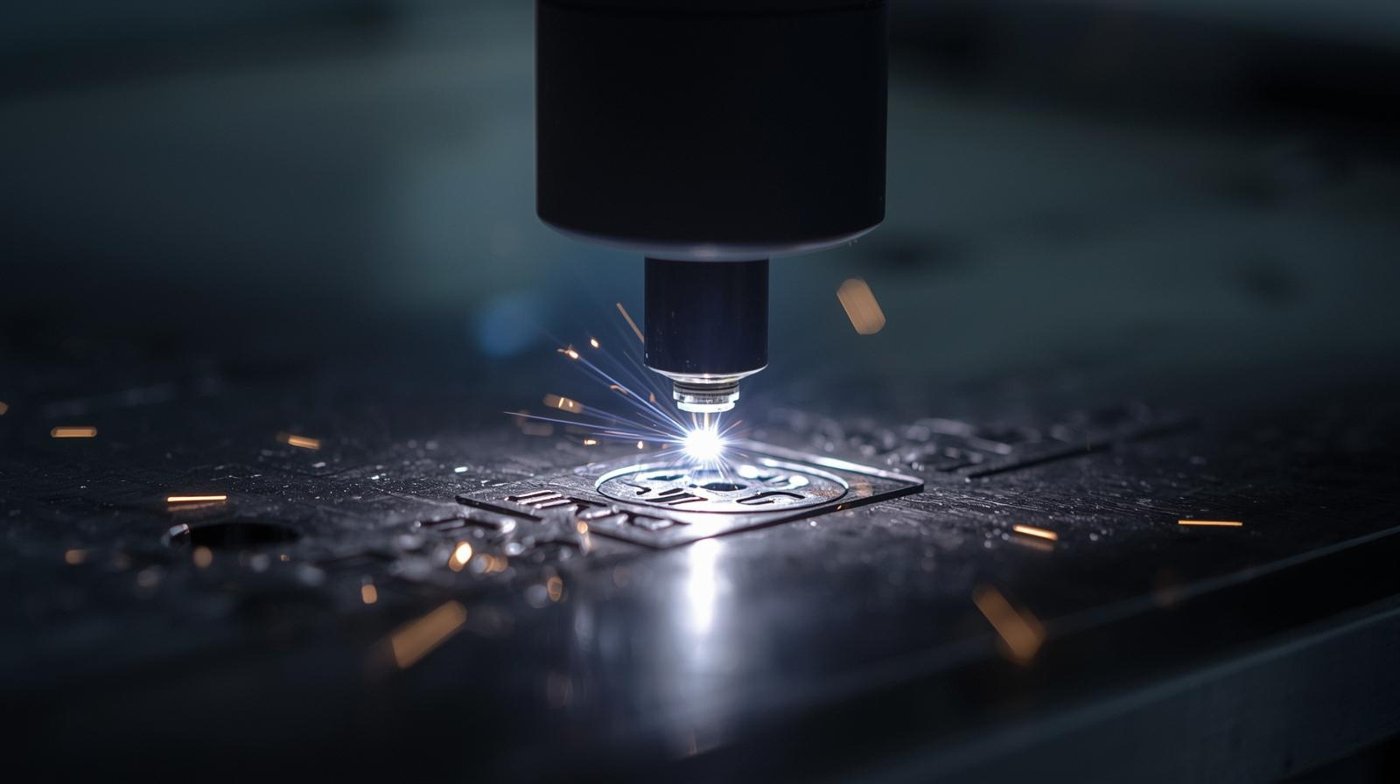
A fiber laser is absorbed strongly by metals. It anneals stainless and titanium black, engraves mild steel and brass, and marks anodised aluminium bright white. It also colour-changes many dark engineering plastics such as ABS and nylon. There is nothing to refill — for a machine shop it is the default choice.
CO2 (10.6 µm) — organics and coatings
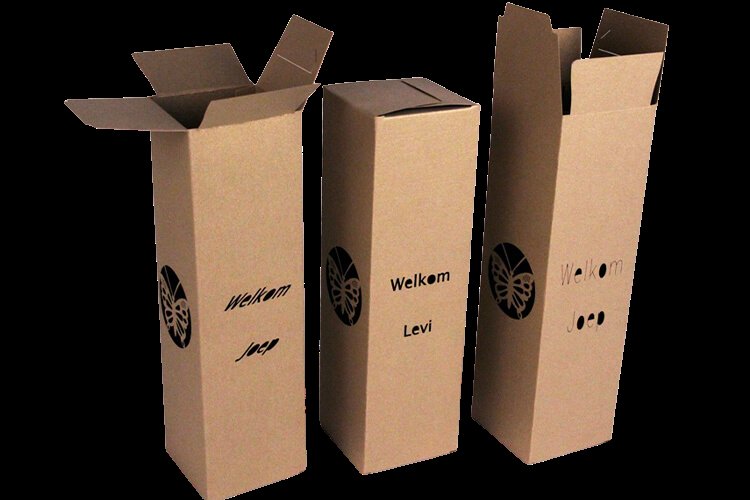
CO2 is absorbed by organic and non-metallic materials: wood, acrylic, leather, paper, cardboard, rubber, glass and most coatings. It cannot mark bare metal. Where fiber leaves a mark that looks etched, CO2 engraves or frosts. For packaging lines, gifting, signage and textile it is the natural fit.
UV (355 nm) — cold marking
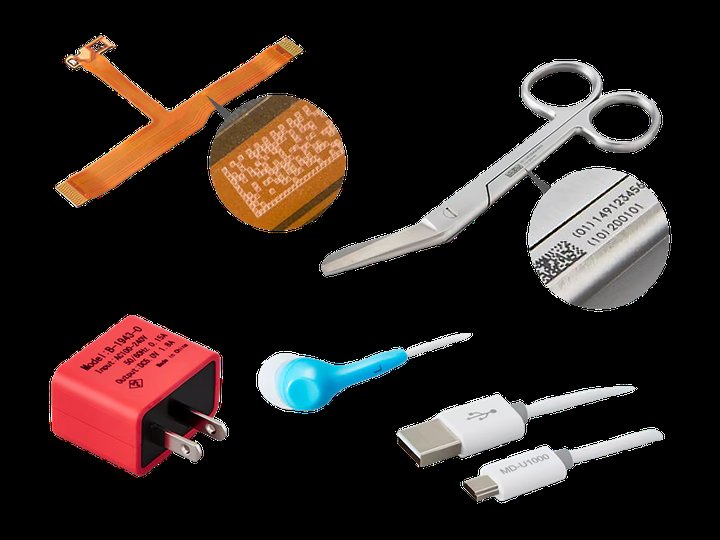
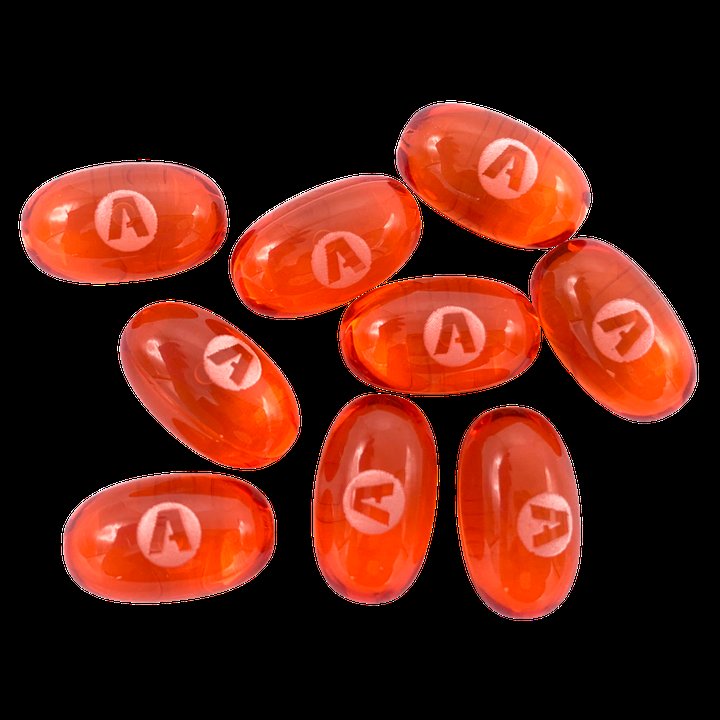
UV light breaks molecular bonds rather than heating the surface. That means no melt, no foaming, no discolouration on white or clear plastics, glass, silicon, ceramics and PCB. It is the source for pharma, food packaging, medical devices and electronics where the part must not be damaged.
The three mistakes we see most
- Buying fiber for white plastic and getting a foamed, low-contrast mark — UV was needed.
- Buying CO2 for stainless because it was cheaper — it will not mark bare metal at all.
- Buying 100 W fiber for a 20 W job because "more is better" — extra power adds cost, not quality, for surface marking.
If two sources look plausible, do not decide on a spec sheet. Send us the part; we run it on all three and send photos back the same week.