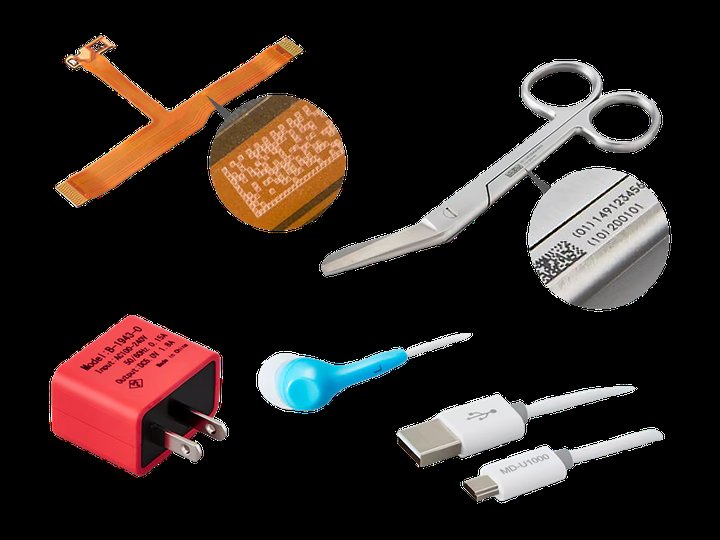
Unique Device Identification requires a permanent, machine-readable code on instruments and implants. The mark must survive sterilisation and must not create a corrosion site.
Annealing, not engraving
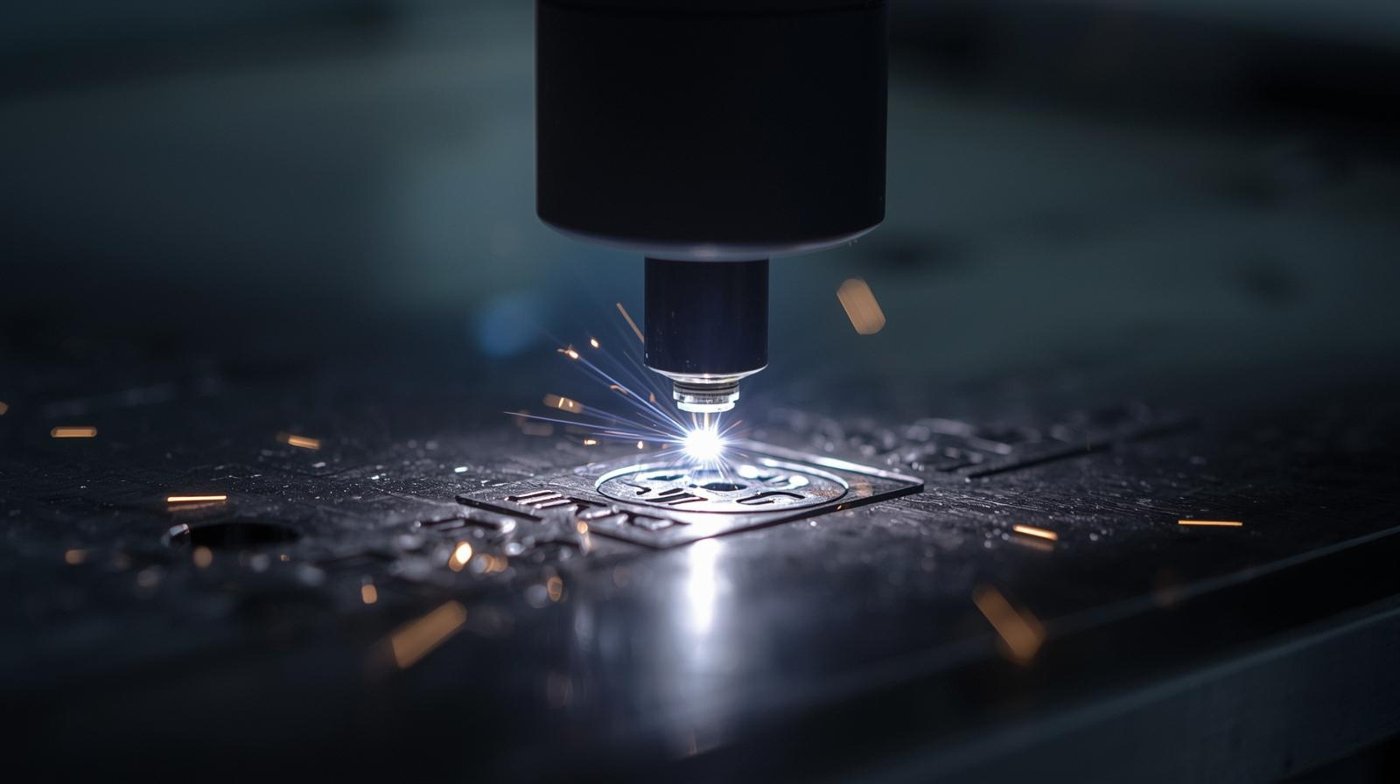
On stainless and titanium the correct process is annealing: the fiber laser heats the surface below melting point and grows a dark oxide. No material is removed, the surface stays smooth and passivation is preserved. Engraved marks trap contaminants and can corrode.
Plastics and packaging
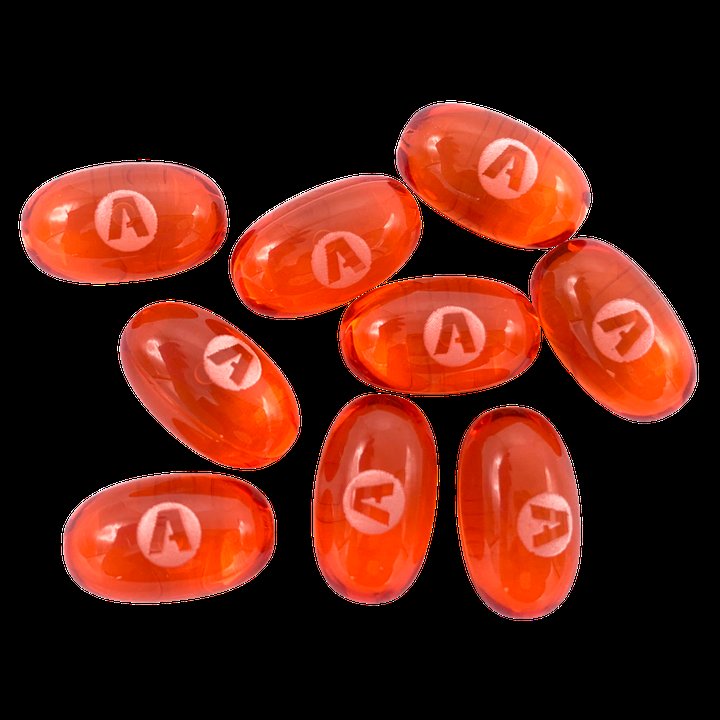
Catheters, housings and pouches are marked with UV to avoid heat damage. UV produces a high-contrast mark on white and clear polymers where fiber would melt or discolour.
Readability
- Data-Matrix cell size ≥ 0.25 mm on fiber, ≥ 0.1 mm on UV.
- Verify with a grading reader — ISO/IEC 29158 grade B or better.
- Log every mark with timestamp and serial for traceability.
We supply enclosed Class-1 systems with camera verification for medical customers, and we keep autoclave test coupons of every material we have marked.